Keeping a house on the Lowcountry coast has more in common with keeping a boat than with keeping a house inland. Salt, damp air and wind work on it every day of the year, and the demanding season is late summer, not winter.
A home maintenance checklist here covers the usual basics (smoke alarms, air filters, gutters, plumbing leaks) plus four local items: indoor humidity, termites, corrosion from salt air, and storm readiness. Below, each task is grouped by when it matters in Charleston, with the reason behind it. A printable version is at the end.
Every month: five checks that take minutes
- Press the test button on every smoke alarm. The U.S. Fire Administration’s rule is a monthly test and a new alarm every 10 years.
- Look at the HVAC filter. ENERGY STAR’s maintenance checklist says to inspect, clean or change it monthly, because a dirty filter raises energy use and can damage the equipment.
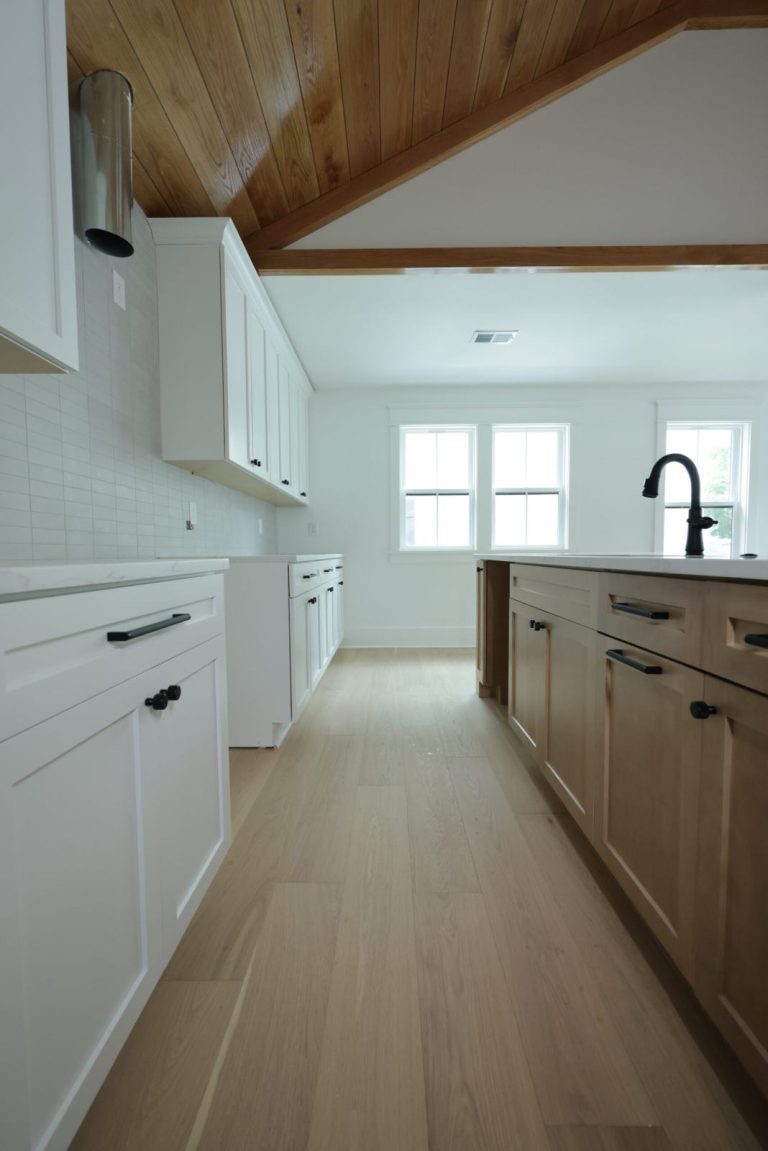
- Read a humidity meter. The EPA’s guide to mold and moisture sets the target below 60 percent relative humidity, ideally between 30 and 50, to keep mold from getting a start. Wood floors and trim show a humidity problem early, and a room under a roof with no attic above it is the first place condensation can hide; our article on building a cathedral ceiling in Charleston explains why.
- Look at the air conditioner’s condensate line where it drains outside. A plugged drain can cause water damage inside and push indoor humidity up.
- Check under sinks, around toilets and at the water heater for drips, stains or soft spots.
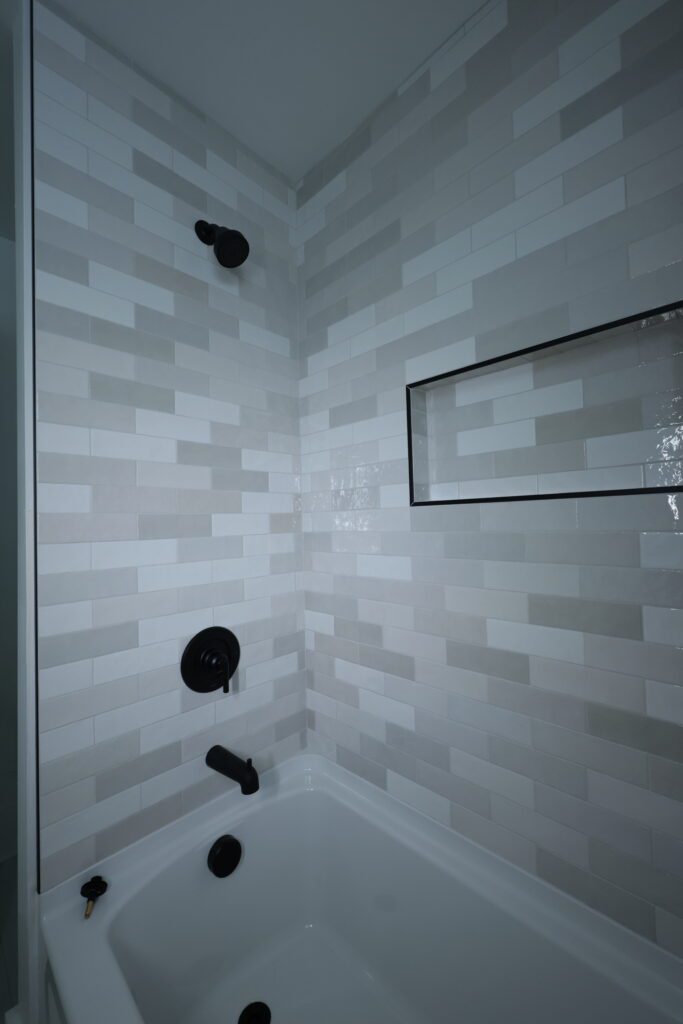
Every few months, run a finger along the caulk and grout lines at tubs and showers. A joint that has opened lets water into the wall behind the tile, where it stays out of sight until the damage shows somewhere else.
Spring: before the heat and the storms
- Book the air conditioner’s pre-season check-up. ENERGY STAR suggests checking the cooling system in spring and the heating system in fall, before contractors get busy.
- Walk the roof line from the ground with binoculars: lifted shingles or panels, loose flashing, damaged vents.
- Clear gutters and downspouts of pine straw and oak leaves, and check that they are fastened tight to the house.
- Repaint and recaulk the exterior where paint has failed at sills, trim ends and the bottom edge of siding; bare wood near the ground does not stay sound for long in this climate.
- Watch for termites: mud tubes on piers and foundation walls, and winged termites indoors.
Termites deserve the extra attention here. Formosan subterranean termites have been in Charleston since the mid-1950s and are now in many parts of Charleston County, according to Clemson University’s Home & Garden Information Center. The City of Charleston’s own building design criteria rate the risk of termite damage as “very heavy”.
In a survey of 50 infested buildings in Charleston cited by Clemson Extension, 94 percent were attacked from colonies in the ground. The few above-ground nests depended on a moisture source in the structure, so fixing leaks is termite prevention too.
Hurricane season: June through November
The Atlantic hurricane season runs from June 1 to November 30, with its statistical peak on September 10 and most activity between mid-August and mid-October, in the National Hurricane Center’s climatology. Late September is still inside that stretch.
- Have opening protection ready before a storm is named. If you rely on panels, they should be precut for each window and door, labeled, and matched to anchors already fixed to the house; our guide to hurricane resistant home construction in Charleston covers what the code accepts.
- Trim dead limbs that can snap and become projectiles, and clear storm drains and drain paths near the house.
- Put insurance and flood policy papers in one place, and photograph the house inside and out.
- If you use a portable generator, run it outdoors only, more than 20 feet from windows, doors and vents, and never in the house or garage. That distance is the CDC’s carbon monoxide guidance.
Several of those points come from “Hurricane Preparedness for Historic Structures,” the City of Charleston’s storm sheet for historic houses.
The City adds one point for owners in the historic districts: after a storm, contact the Board of Architectural Review staff before any exterior repair, even one not visible from the street, so the right permits are in place. Photograph the damage and keep a record of temporary repairs first.
Under a raised house: what the space is for
If the house is raised because it sits in a flood zone, the enclosed area below the lowest floor is limited by the flood rules to parking, building access and storage, with storage best kept to low-value items.
Appliances, heating and cooling equipment, ductwork, plumbing fixtures and finishes that cannot take flooding do not belong there, according to FEMA’s Technical Bulletin 1 on flood openings.
The same bulletin shows air vents whose insect screens were blocked by flood debris. Keep the openings in the enclosure walls clear, and do not cover them for the winter.
If the house has a crawl space instead, look for wet soil, wood rot and fallen insulation each year; our article on sealed crawl spaces in the Lowcountry covers what a dry one needs.
Fall: heating, the chimney and the second round of gutters
- Have the heating system checked, the second half of the ENERGY STAR spring and fall routine.
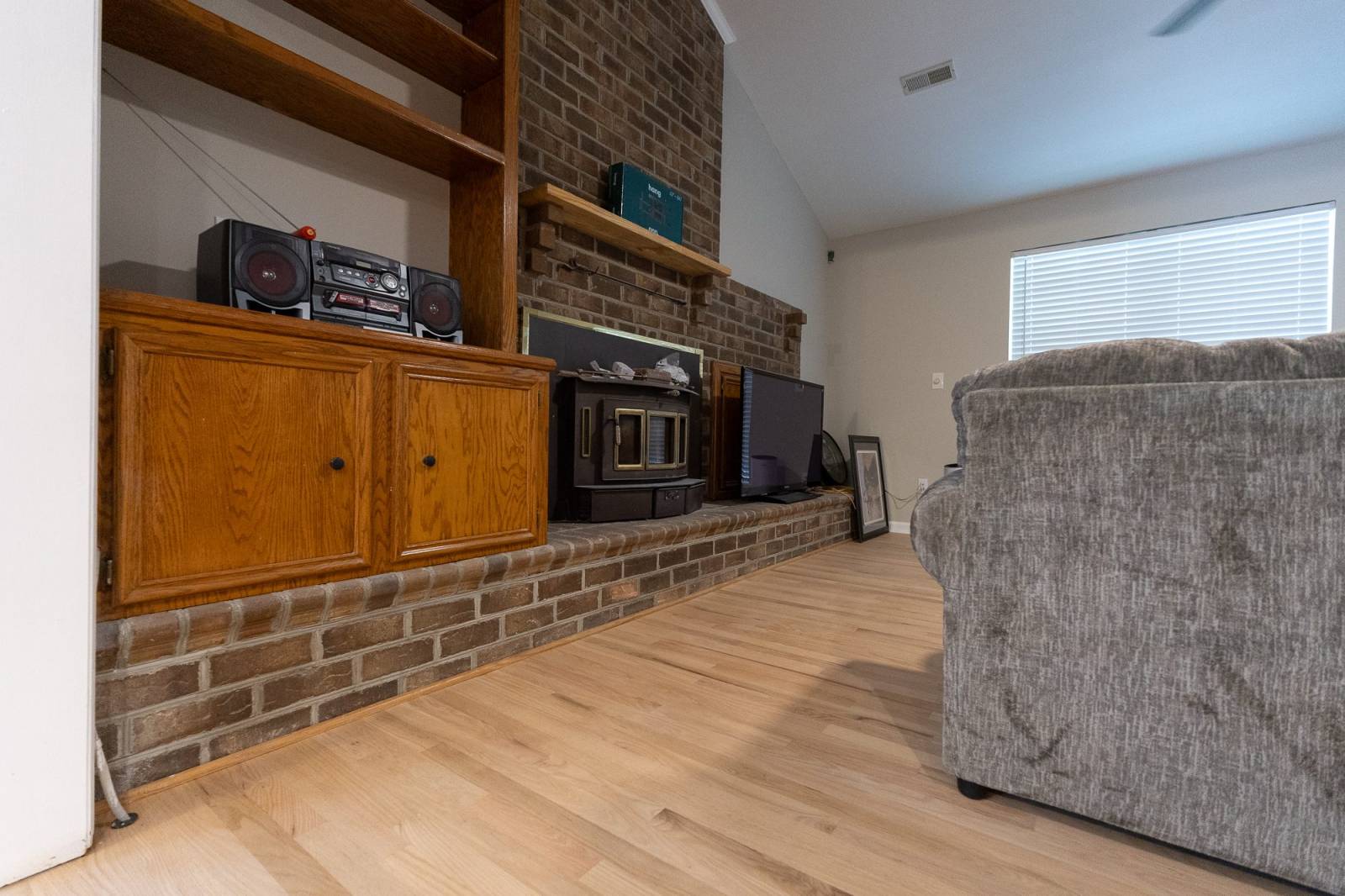
- Have the chimney and fireplace inspected. NFPA 211 says chimneys, fireplaces and vents should be inspected at least once a year for soundness, deposits and clearances, and the Chimney Safety Institute of America applies the same yearly rule to gas appliance flues.
- Clean the gutters again after the leaves and needles come down.
- Test the smoke and carbon monoxide alarms before the first cold night brings the heat on.
Once a year: the inspections worth paying for
- A termite inspection by a licensed pest professional. Clemson’s extension specialists note that homeowners can seldom inspect and treat a house for termites effectively without the training and equipment.
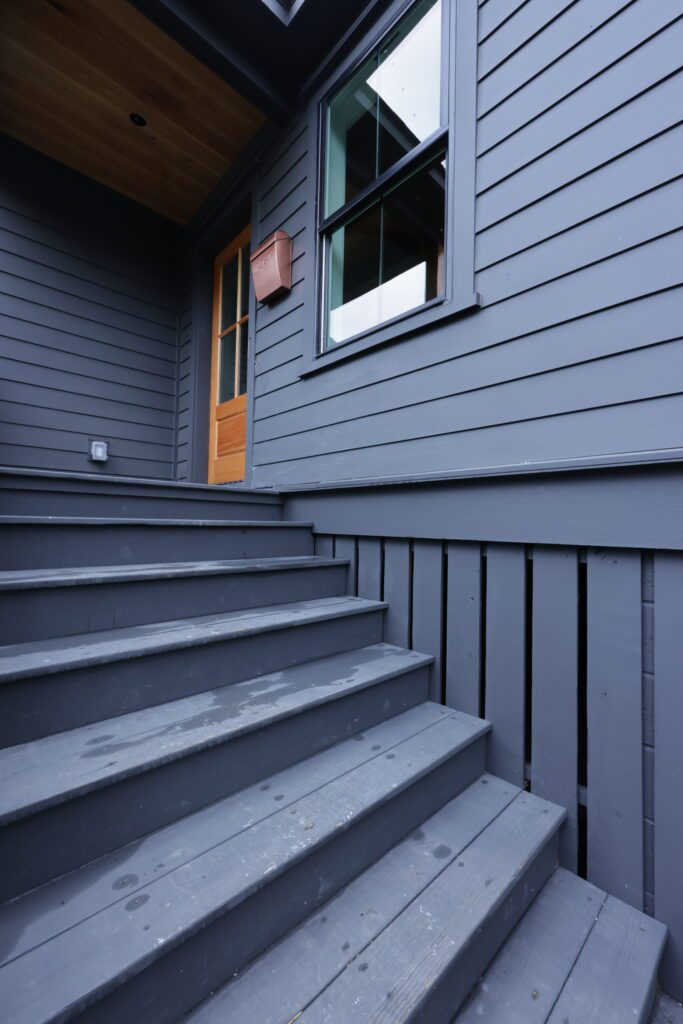
- A look at exterior stairs, decks and their connectors. Rust streaks at nails and hangers, loose treads and soft boards near the ground are the signs to act on near salt water.
- The water heater and the dryer vent, on the schedule their manufacturers give: sediment in the tank and lint in the duct both build up slowly.
- A walk around the foundation for cracks, wood touching soil, and mud tubes on piers or block walls.
When maintenance turns into a repair
Some findings mean the house needs more than upkeep: floors that cup or feel soft, rot at stair stringers or window sills, ceiling stains that come back after every hard rain, termite damage behind trim, or doors that stick worse every summer. Those are signs of water or structure problems that grow while they wait.
If your list turns up one of them, a focused repair now usually keeps the work smaller. That kind of home renovation in Charleston is part of what our team does in occupied homes. Talk to Domus Built about the repair.
The printable Lowcountry checklist
| When | Task | Why it matters here |
|---|---|---|
| Monthly | Test smoke and CO alarms; replace smoke alarms at 10 years | Fire safety basics (USFA) |
| Monthly | Check the HVAC filter; check the condensate drain | The AC runs most of the year and carries the humidity load |
| Monthly | Read indoor humidity; aim for 30–50%, never above 60% | Mold and wood movement (EPA) |
| Monthly | Look under sinks and at the water heater | Moisture in the structure invites termites |
| Every few months | Check caulk and grout at tubs and showers | Hidden leaks into walls |
| Spring | AC check-up; roof line; gutters fastened and clear | Heat, then storms |
| Spring | Paint and caulk at sills, trim and lower siding | Salt and damp break down exposed wood |
| Spring | Watch for mud tubes and winged termites indoors | Formosan termites are established in Charleston County |
| By June 1 | Panels precut, labeled and anchors in place; papers together; photos taken | Season runs June 1 to November 30 |
| Before a storm | Trim dead limbs; clear drains; generator 20+ feet from openings | Debris and carbon monoxide (City, CDC) |
| After a storm | Photograph damage; in historic districts call BAR staff before exterior work | Insurance and permits |
| Fall | Heating check; chimney inspection; gutters again | NFPA 211: chimneys once a year |
| Yearly | Termite inspection by a professional | Self-inspection rarely finds the colony |
| Yearly | Under the house: flood openings clear, nothing stored that a flood would ruin | Flood rules for enclosures (FEMA) |
| Yearly | Stairs, decks and connectors; water heater; dryer vent; foundation walk | Corrosion and slow buildup |
Print the table and keep it with the house documents; a dated note next to each line is the simplest maintenance record there is.